Every year, over 1.5 million wildebeest, 200,000 zebra, and 350,000 gazelle complete a 1,200-mile circular journey through Tanzania's Serengeti and Kenya's Maasai Mara. It's the largest terrestrial mammal migration on Earth — and 2025-2026 promises to be one of the most spectacular viewing years in recent memory, with strong rains shaping excellent grass and dramatic movements.
The Calving Season – Southern Serengeti & Ndutu (Dec–Mar)
As of January 2026, the herds are concentrated in the nutrient-rich short-grass plains of southern Serengeti and Ndutu. This is the famous calving season: between late January and mid-March, around 500,000 wildebeest calves are born in just a few weeks. The plains come alive with newborn life — and intense predator action from lions, cheetahs, hyenas, and leopards.
This period offers some of the most emotional wildlife viewing: vulnerable calves learning to stand, mothers protecting them, and dramatic chases. Weather is warm with occasional showers, and crowds are moderate.
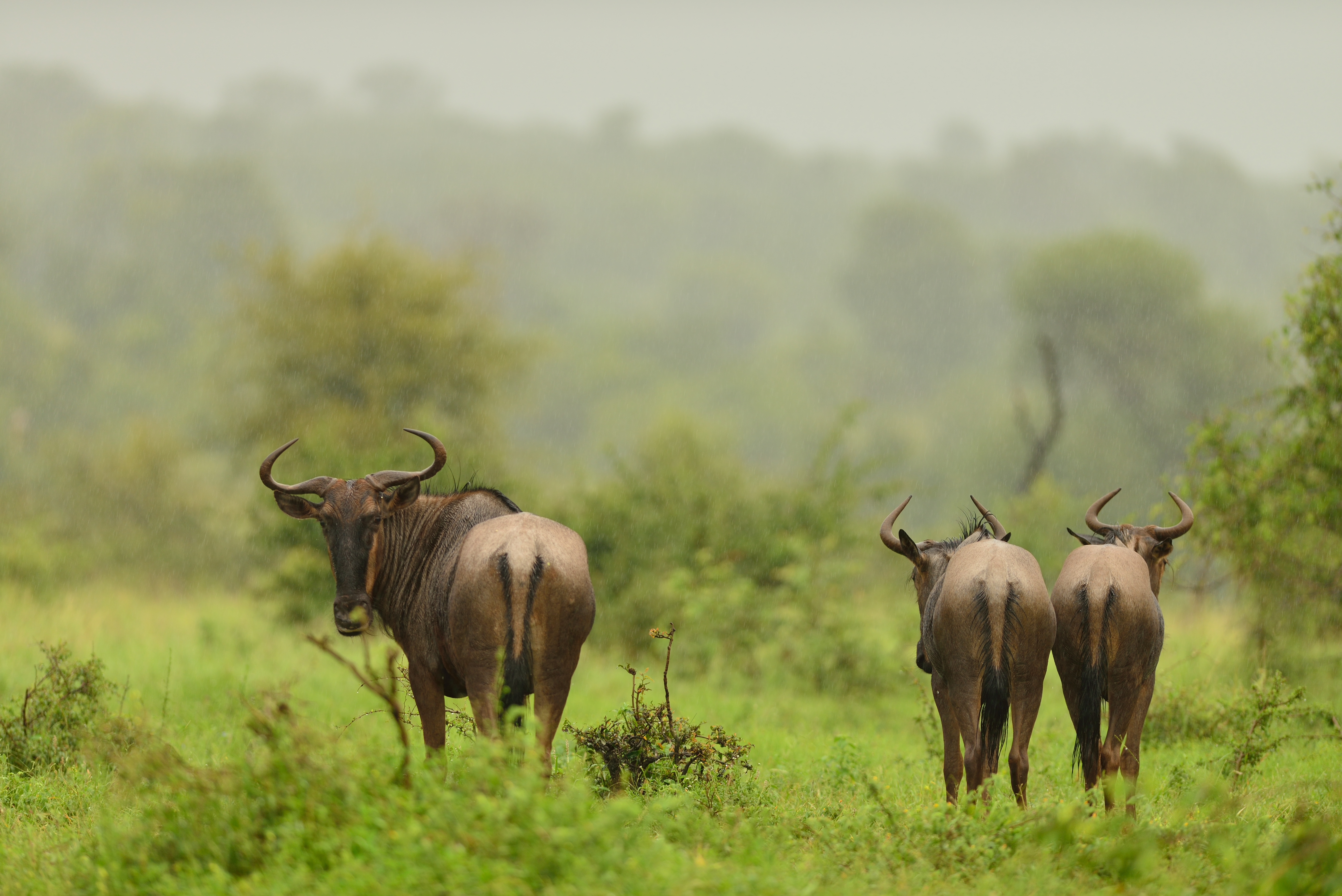
Thousands of wildebeest calves born during the green season — a feast for predators © Roam Royale
Northward Journey – Western & Central Serengeti (Apr–Jun)
By April–May, as the long rains end, the herds begin their slow, predictable trek north through the Western Corridor. They face the first major obstacle: the Grumeti River crossings (June–July), with large crocodiles waiting. These are dramatic but less crowded than the later Mara crossings.
June is excellent for fewer visitors and lush landscapes — perfect if you want to avoid peak-season crowds.
Pro Tip
Book mobile camps in Ndutu for calving or fly-in options for flexibility. Always travel with experienced guides who track real-time herd movements via radio and sightings.
River Crossings – Northern Serengeti & Maasai Mara (Jul–Oct)
The undisputed highlight: the iconic Mara River crossings. From July onward, herds reach the northern Serengeti (Kogatende area) and cross into Kenya's Maasai Mara. Thousands plunge into crocodile-infested waters in chaotic, heart-pounding scenes — many iconic National Geographic photos come from here.
Peak drama occurs August–September, with herds often crossing back and forth multiple times. October sees the return south as rains begin in Tanzania.
.jpg)
The heart-stopping moment thousands of wildebeest brave the Mara River © Roam Royale
The Return South & Cycle Renewal (Nov–Dec)
By late October–November, the herds head back through eastern Serengeti toward the short-grass plains. Short rains green the south, preparing for the next calving cycle starting late December.
Quick Migration Timeline 2025–2026
Calving Season
Southern Serengeti / Ndutu – Peak births & predator action
Northward Trek
Western Corridor – Grumeti crossings
River Crossing Peak
Northern Serengeti / Maasai Mara – Mara River drama
Return South
Eastern Serengeti → Ndutu – Cycle begins again
Best Camps & Lodges by Season
- Calving (Jan–Mar): Ndutu camps (e.g., Ndutu Migration Camp, Lake Masek Tented Lodge)
- River Crossings (Jul–Oct): Northern Serengeti (Sayari Camp, Nyikani Migration Camp, Lamai Camp) or Maasai Mara (Rekero, Mara Serena)
- Off-Peak: Central Serengeti lodges for resident wildlife year-round