Face-to-face with mountain gorillas in their natural habitat is one of Africa's most profound wildlife experiences. With only about 1,063 mountain gorillas left in the wild, tracking these gentle giants through misty forests is a privilege that requires planning. Our 2025-2026 guide covers everything from securing permits to choosing between Rwanda's Volcanoes National Park and Uganda's Bwindi Impenetrable Forest.
Rwanda vs Uganda: Where to Trek
Both countries offer exceptional gorilla trekking experiences, but with different advantages:
Location Comparison
Rwanda - Volcanoes National Park
- Easier access (2.5 hrs from Kigali)
- Generally shorter treks (1-4 hours)
- Higher permit cost: $1,500 per person
- 10 habituated families
- Excellent infrastructure & luxury lodges
Uganda - Bwindi Impenetrable Forest
- More affordable permits: $800 per person
- Larger gorilla population (approx. 459 gorillas)
- Can be more challenging terrain
- 21 habituated families across 4 sectors
- Combines well with chimp trekking
Best Time to Go
The optimal trekking months are during the drier seasons when trails are less muddy and visibility is better:
Peak Season
Long dry season — best conditions but most crowded. Book permits 6-12 months in advance.
Short Dry Season
Second best window — fewer visitors and still good trekking conditions.
Rainy Seasons
More challenging treks but lush scenery and discounted lodge rates. Fewer tourists.
Pro Tip
For 2025-2026, consider shoulder seasons (May or November) for better availability and rates. Rwanda's Kwita Izina baby gorilla naming ceremony in September is a special time to visit.
The Trekking Experience
A typical gorilla trekking day starts early with briefing at park headquarters. You'll be assigned to a gorilla family based on fitness level and preferences. Treks range from 1-6 hours each way through dense forest, with elevation changes of 500-1,000 meters.
When you find the gorillas, you'll spend exactly one hour observing them — time enough to watch them feed, play, and interact. Silverbacks often dominate the scene, while juveniles swing from vines and infants stay close to their mothers.
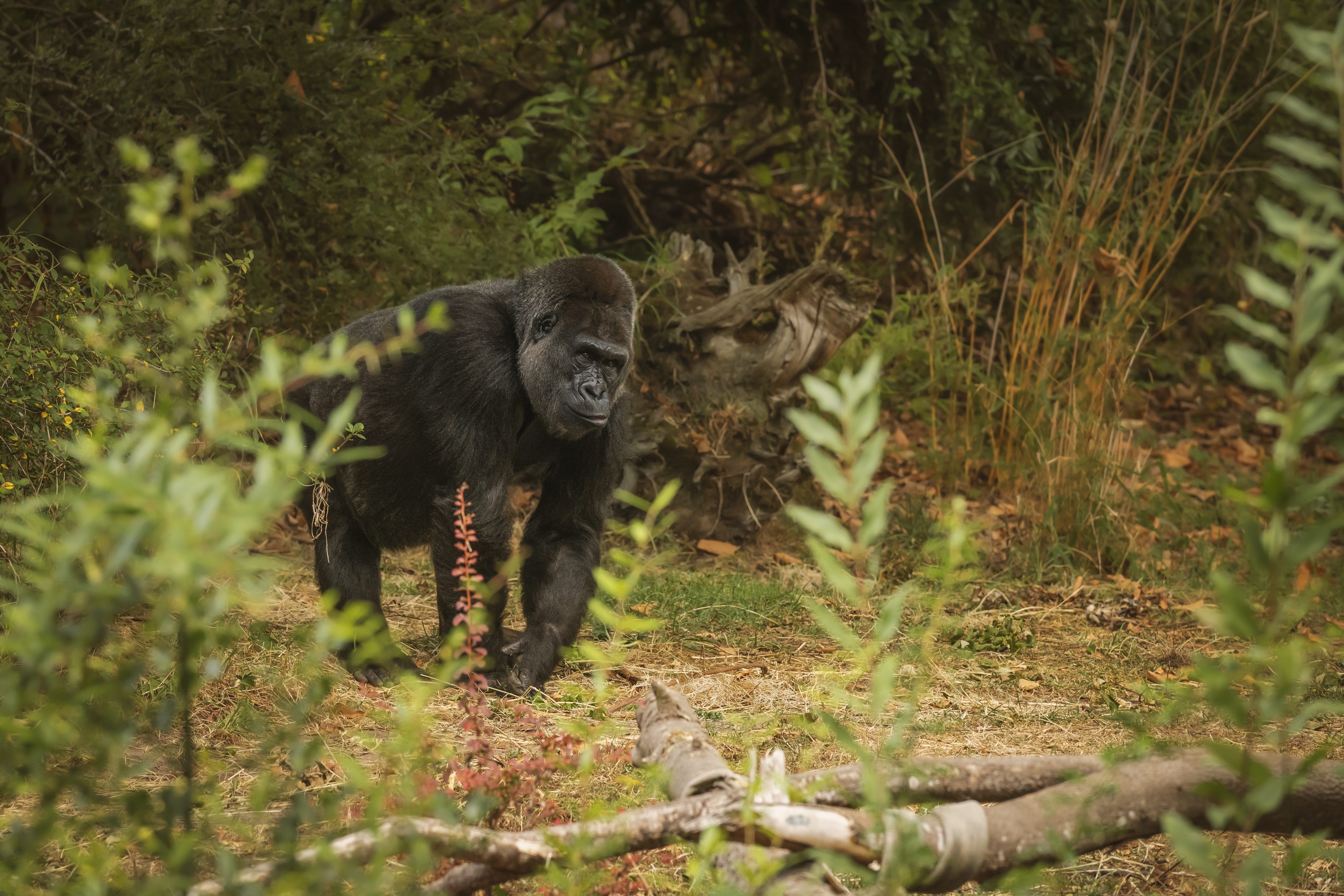
A silverback watches over his family in Uganda's Bwindi Impenetrable Forest © Roam Royale
Permits & Booking
Gorilla permits are the single most important component of your trek. They must be secured well in advance, especially for peak season:
- Rwanda permits: $1,500 each — bookable through Rwanda Development Board or tour operators
- Uganda permits: $800 each — available through Uganda Wildlife Authority
- Booking timeline: 6-12 months ahead for June-September; 3-6 months for other seasons
- Group size: Maximum 8 trekkers per gorilla family per day
Essential Packing List
- Waterproof hiking boots with good ankle support
- Gaiters (for protection against ants and mud)
- Waterproof daypack and rain jacket
- Gardening gloves for pushing through vegetation
- Camera with no flash (smartphones allowed)
- Walking poles (often provided by lodges)
- Long-sleeved shirt and trousers
Health & Fitness Requirements
While gorilla trekking isn't technical climbing, it requires moderate fitness. You'll be hiking at altitudes of 2,500-3,000 meters on uneven terrain. Those with respiratory or mobility issues should consider Rwanda's easier treks. Minimum age is 15 in Rwanda, 12 in Uganda.
All visitors must be free of communicable illnesses. Face masks may still be required during your visit to protect gorillas from human diseases.
Combining Gorilla Trekking
Most travelers combine gorilla trekking with other experiences:
- Rwanda: Golden monkey tracking, Kigali genocide memorial, lake retreats
- Uganda: Chimpanzee trekking in Kibale, Queen Elizabeth National Park, Lake Bunyonyi
- Extended: Add a Kenya or Tanzania safari for the ultimate East Africa experience